Bentgrass Control Strategy
Bentgrass is a very difficult to control, undesirable & weedy grass.
We have successfully developed a strategy to eliminate it from your lawn.
Why Bentgrass “Crashes & Burns” in your lawn
-

High Soil & Air Temps
Soil temperatures above 70 degrees cause Bentgrass roots to stop growing and die.
Because it produces a shallow root system, it is not drought-tolerant and browns quickly in hot, dry weather.
-

Disease Prone
Bentgrass is prone to fungi and diseases that thrive in the heat and moisture of Summer.
It produces a thick layer of thatch that creates an ideal micro environment for diseases/ fungi to thrive in.
-

Mowing Too High
Bentgrass requires frequent, low mowing; often daily like on a golf course putting green.
When mowed at typical home lawn heights ( inches), it becomes weak and matty. It prefers to be mowed at 1/8 to ½ inch not 3 - 4”.

-
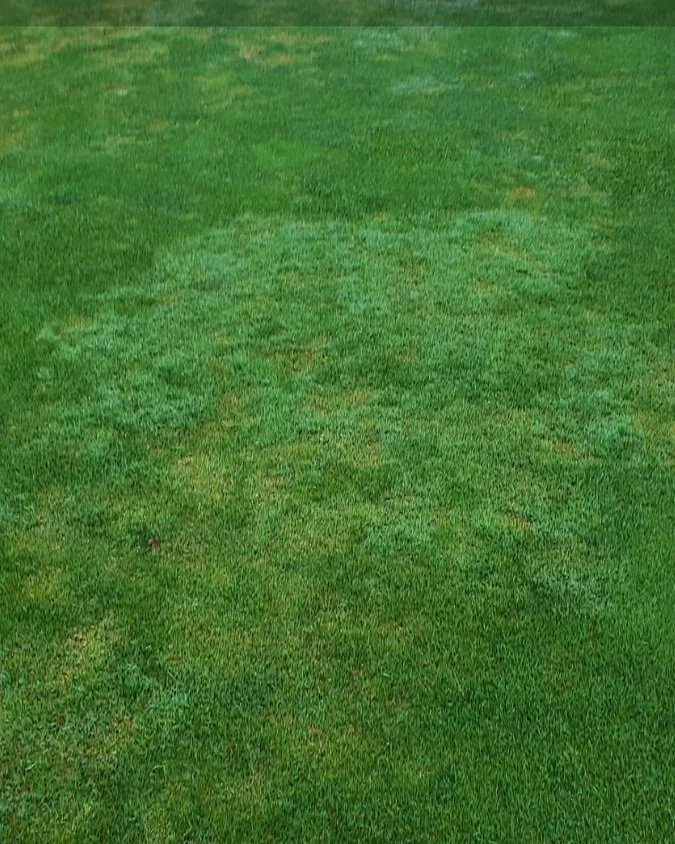
1) Before Treatment : Bentgrass mows differently and underperforms.
-

2) After Treatment: This is what you will see after we treat. This means the treatment did it's job.
-
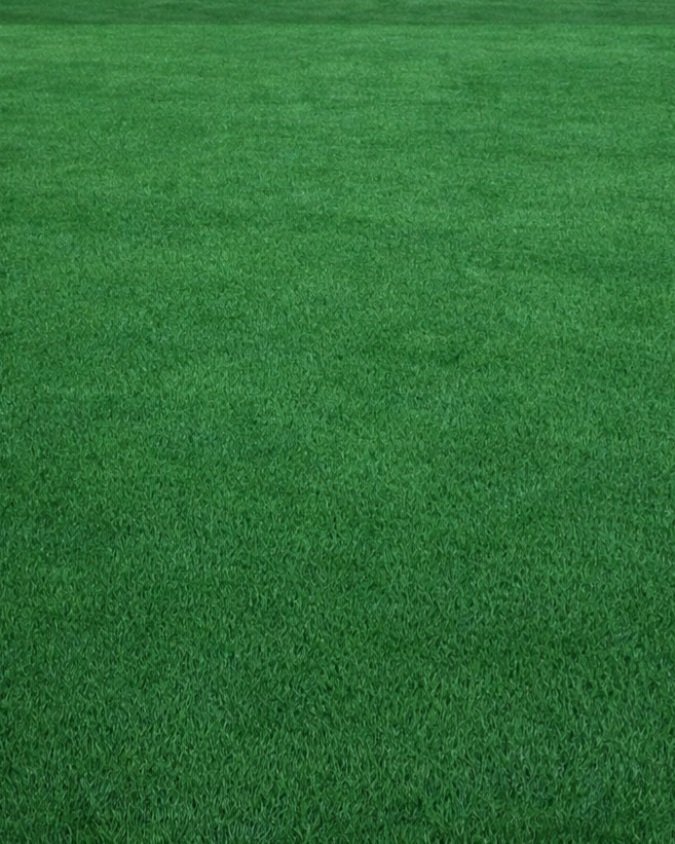
3) The Final Product: Your Bentgrass patches will be replaced and upgraded with A-List Grass Types( BlueSeed).
FAQs
-
July is when bentgrass is most active and visible, making it easier to target effectively.
Treating at this time also prepares your lawn for fall overseeding - the ideal season to replace bentgrass with healthier, more desirable turf varieties.
Timing is critical! Treatment 1 is usually in July and Treatment 2 in August. 3X Core Aeration & BlueSeed with Humic Seed Starter is performed late August/ Early September.
-
Bentgrass thrives in moist conditions and can be persistent. Mild, wet winters and humid summers create ideal conditions for it to survive and spread.
Because it hangs on in the soil, follow-up treatments are sometimes needed to keep it under control and prevent it from returning.
Bentgrass may want to rally in the following year. It will then be much more manageable and can be spot treated. Please let us know if you see it. Catching it early will allow us to keep it under control.
-
Indirectly, yes. Bentgrass is shallow-rooted and struggles in high stress conditions like heat, drought or insect activity.
It’s often the first type of turf grass to decline, leading to thinning and dead spots. Over time, these weak areas can spread and be overtaken by opportunistic weeds and disease.
-
Yes. Our Bentgrass Control Strategy is exclusively offered to our Premium Fertilization Program customers.
We have a wealth of videos that answer many of our frequently asked questions.
meet your Bentgrass assassins
-

Nate Bahler
Founder & Owner
-

Brian Gerber
Owner